
Every Squeeze Bottle Has the Same
Three Problems
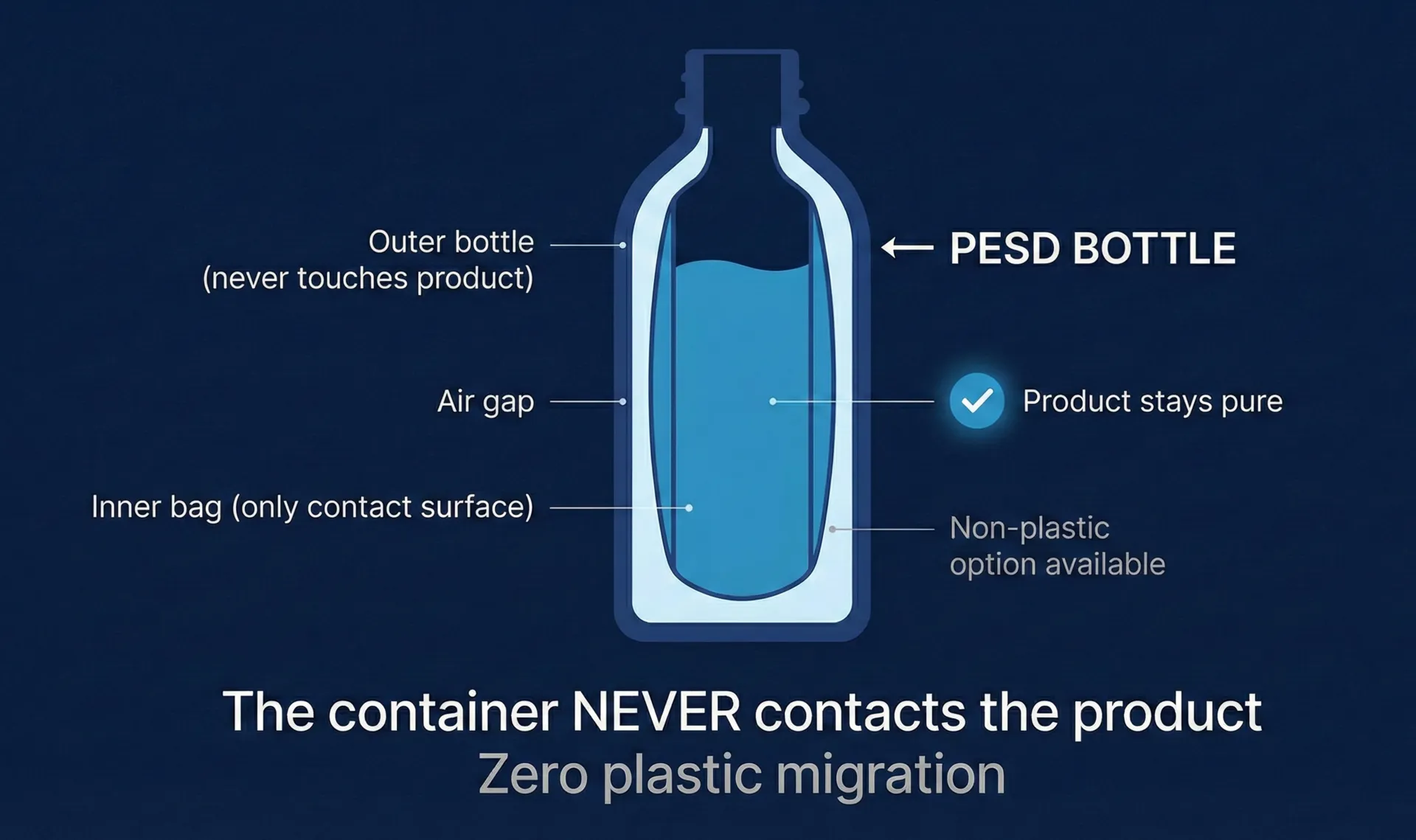
Air contamination. Product waste. Pressure buildup. These aren't edge cases. They're built into every squeeze bottle on the market. Anti Gravity Bottle solves all three with one architecture.
The Spoilage
That ranch bottle at the back of the fridge with the crusty brown ring around the cap? Air got in. Every squeeze-and-release pulls oxygen, bacteria, and moisture back into the bottle. The product degrades from the inside out.
The Waste
Up to 15% of product stays trapped in rigid bottles. Multiply that by billions of bottles per year. That's product and plastic going straight to landfill.
The Spurt
A sippy cup in a car seat on the drive to the mountains. A shampoo bottle in checked luggage. A squeeze tube opened after sitting in a hot warehouse. Pressure builds with no way out, and the first open is a mess. Every sealed bottle is a pressure bomb waiting for altitude or heat.
Anti Gravity Bottle solves all three. Here's how.
The Dual-State Mechanism
One cap. Two states. No electronics, no moving parts. Just the cap position controlling whether the bottle breathes or seals.
Cap Closed
Storage Mode
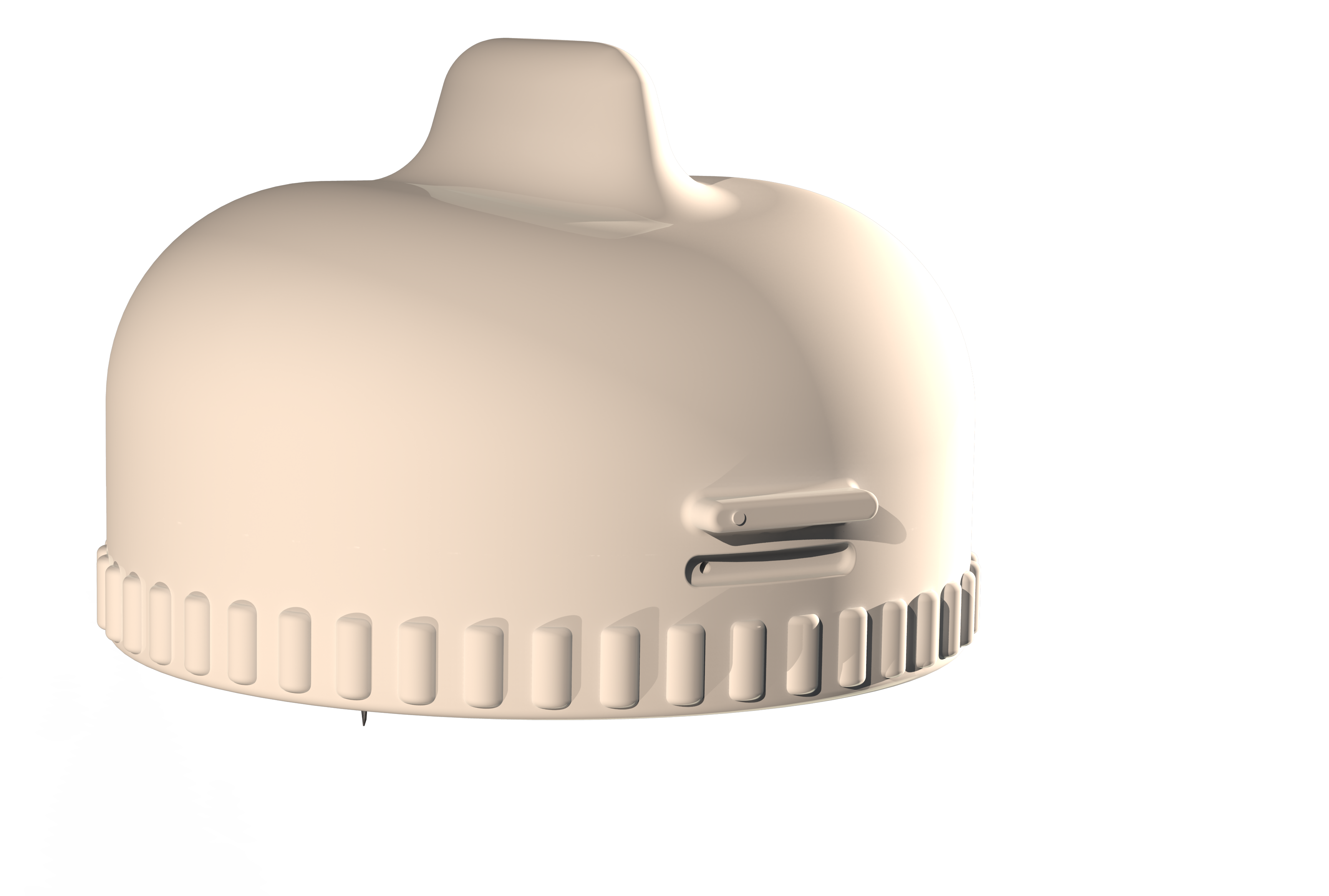
Air channel opens to equalize pressure continuously. No buildup, no leaks, no explosions. Safe at any altitude or temperature.
Cap Open
Dispensing Mode
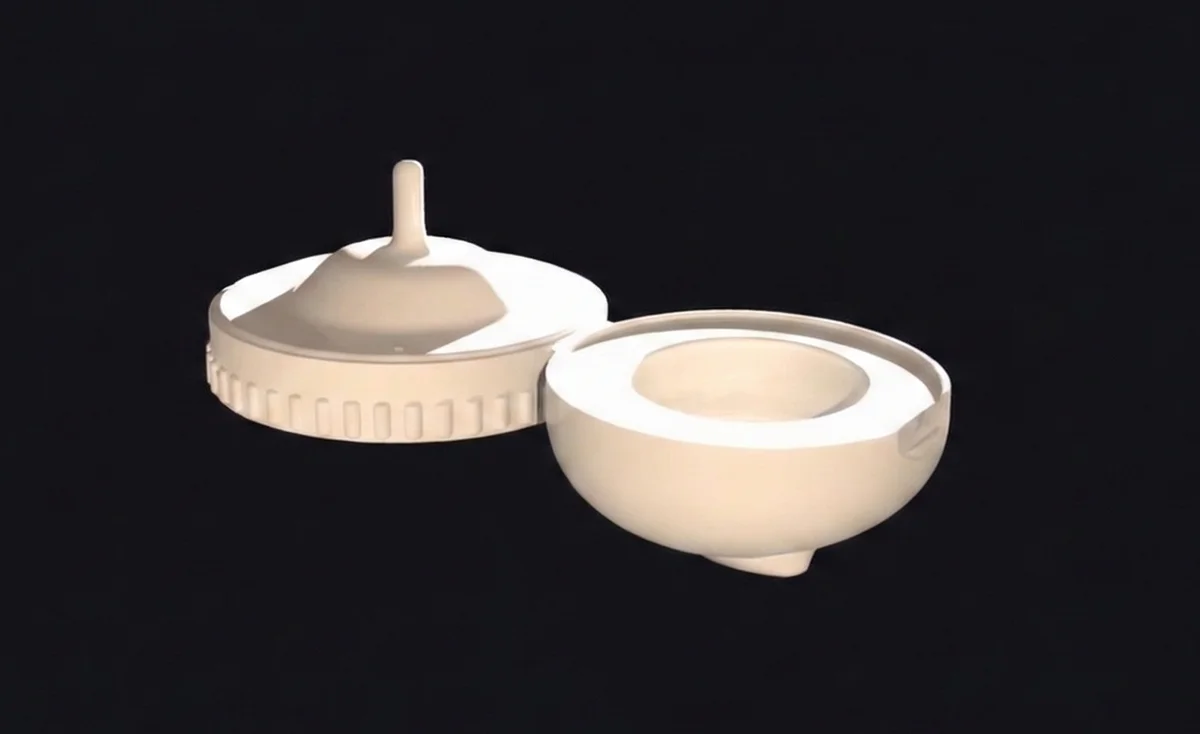
Air channel seals shut. No air enters the product. Squeeze to dispense; when you release, an inward-facing one-way air valve in the cap lets atmospheric air into the space between the housing and the bag, restoring the bottle to its original shape. The inner bag collapses flat.
The package breathes. The product stays sealed. Both happen automatically.
What This Enables
No existing squeeze bottle, in any market or country, addresses cap-position-dependent pressure equalization. It is a new category of solution.
Automatic Pressure Equalization
Continuous pressure balancing during storage. No buildup, no leaks, no altitude or temperature surprises.
Zero Air Contact
Product never touches the outer bottle. The inner bag creates a complete barrier from air, bacteria, and moisture.
Near-Complete Evacuation
The inner bag collapses flat as product is dispensed. Virtually every drop is used. No waste left behind.
Extended Freshness
Reduced air-to-product surface area means slower oxidation, less microbial growth, and significantly longer product life. Food, cosmetics, and pharmaceuticals all benefit.
Replaceable Pouch System
Keep the outer bottle. Swap the inner pouch. No cleaning, no mess. 88% less plastic per refill cycle.
Extended Freshness Through Reduced Air Exposure
Oxidation is the primary driver of shelf life loss in food, cosmetics, and pharmaceuticals. The less air that contacts your product, the longer it lasts.
Traditional Squeeze Bottle
Every squeeze-and-release cycle pulls air back into the bottle. Oxygen contacts 100% of the product surface area, which in a bottle is significant. Over days and weeks of use, the entire contents are repeatedly exposed to oxygen, bacteria, and moisture.
Result: Accelerated oxidation, color changes, flavor loss, microbial growth, and shorter usable life.
Anti Gravity Bottle
The sealed inner bag keeps air separated from the product during dispensing. When the squeeze is released, an inward-facing one-way air valve in the cap lets atmospheric air into only the gap between the bag and the outer bottle. The product surface exposed to air is a small fraction of what a traditional bottle exposes.
Result: Dramatically reduced oxidation and significantly extended product freshness.
What the Research Shows
2-5x
Shelf life extension documented in comparable airless food packaging systems
90%+
Active ingredient retention in airless containers after 6 months (vs. 60% in open-cap bottles)
30%
Less oxidation measured in airless packaging vs. traditional jars in published studies
Note: These figures are from published research on comparable airless packaging architectures. Product-specific validation testing for Anti Gravity Bottle is in progress. Anti Gravity Bottle significantly reduces air exposure but is not hermetically sealed. A small amount of product on the cap and valve tip is exposed to ambient conditions. Products that require refrigeration should continue to be refrigerated as normal.
Traditional Squeeze vs. Anti Gravity Bottle
Full Technology Comparison
How Anti Gravity Bottle stacks up against every major dispensing technology on the market.
| Feature | Traditional Squeeze | Airless Pump | Bag-on-Valve | Anti Gravity Bottle |
|---|---|---|---|---|
| Pressure equalization | None | None | None | Automatic, continuous |
| Air contact with product | Yes (every use) | Reduced | Reduced | Zero |
| Cap-controlled state change | No | No | No | Yes (the core innovation) |
| Product evacuation | ~85% | ~95% | ~90% | ~100% |
| Orientation independence | No | Limited | Yes | Any orientation, incl. microgravity |
| Moving parts | None | Piston + spring | Valve + propellant | None |
| Propellant required | No | No | Yes | No |
| Shelf life impact | Degrades with each use | Improved | Improved | Dramatically extended |
| Replaceable pouches | No | No | No | Yes |
| Unit cost | $ | $$$ | $$ | $ |
Patent Protected
Through 2042
US Patent 11,760,557 B2. Pressure Equilibrating Squeeze Dispenser. Granted September 2023. Protected through 2042.
22 prior art references spanning 66 years of squeeze bottle technology were examined during prosecution. All were overcome. No patent anywhere in the world describes a cap-position-dependent dual-state air channel. ITC Section 337 provides border enforcement against infringing imports.
First movers capture category position under 16+ years of remaining patent protection.
View Patent on Google PatentsInterested in licensing Anti Gravity Bottle for your product line?
Explore LicensingReady to Explore Licensing?
Get the full technical white paper with market data, implementation roadmap, and licensing models.
Request White Paper