
Foaming Agents
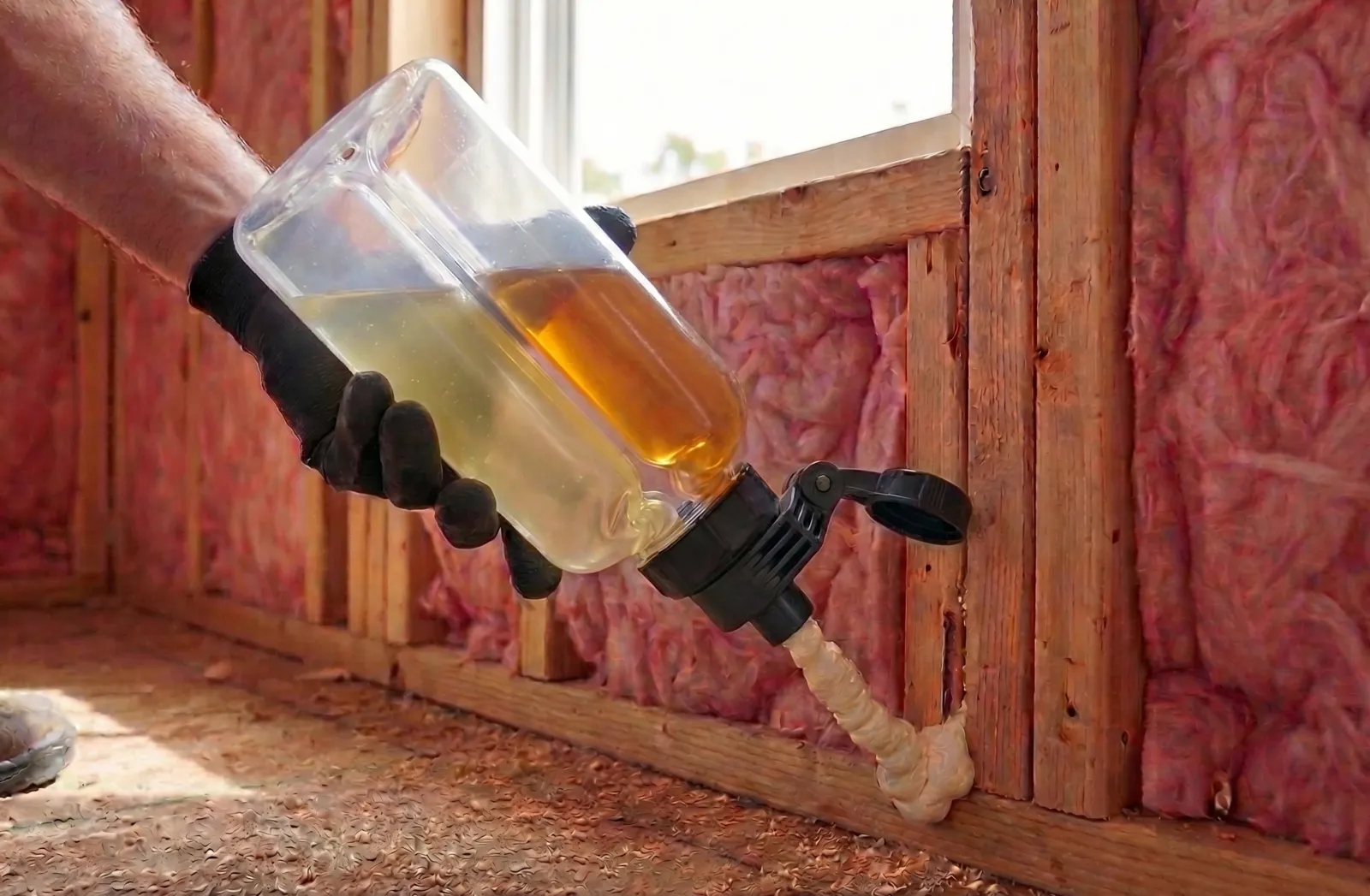
Expanding foam cures the moment air touches it. That is why every opened can is a race against hardening, and why most get thrown away after one use.
The Problem
Air-Activated Products Cure in the Container
Expanding foams, spray sealants, and foaming adhesives are designed to cure on air contact. Once the seal is broken, the product begins hardening inside the can. Most cans are single-use in practice.
Propellant-Based Dispensing Creates Waste
Current foaming products require pressurized propellant cans. The can, propellant, and remaining product are all discarded after partial use. This creates both product waste and environmental waste.
Chemical foaming agents market is $4.84B globally
No Multi-Use Option Exists
Professionals and consumers cannot save partially used cans for later. There is no existing packaging that keeps air-activated foam products fresh between uses.
The Anti Gravity Bottle Advantage
Multi-Use for the First Time
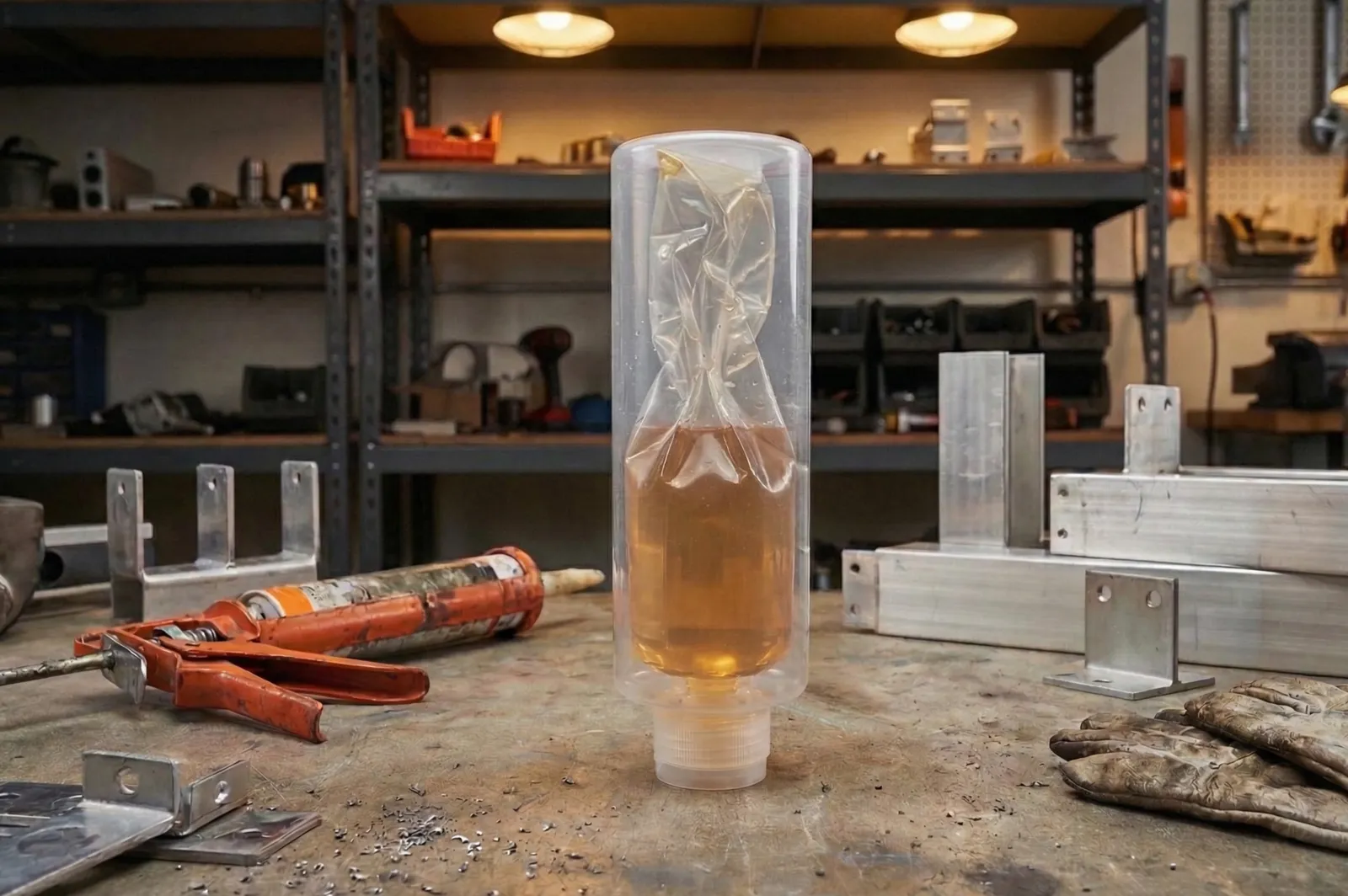
The sealed inner bag keeps foam products completely air-free between uses. Use half a container today, the rest next month. The product stays workable because it never contacts air during storage.
No Propellant Required
Anti Gravity Bottle dispensing uses mechanical squeeze pressure, not chemical propellant. This eliminates the propellant cost, the pressurized can, and the environmental impact of aerosol dispensing.
Complete Product Usage
Near-complete evacuation combined with air-free storage means virtually no wasted product. A contractor uses every ounce they paid for, across multiple jobs if needed.
Market Opportunity
Market Size
$3-5B
Growth
5.2% CAGR in construction foams
The foam sealant and insulation market is driven by energy efficiency mandates. Products like Great Stuff are ubiquitous in construction but notoriously wasteful. A multi-use version would capture significant share from professionals who currently discard partial cans on every job.
Current Approaches vs. Anti Gravity Bottle
Current Approach
Pressurized aerosol cans with chemical propellant. Some professional-grade products use gun-applied cartridges. All rely on propellant-based dispensing and are effectively single-use after opening.
Limitations
Propellant adds cost and environmental impact. Cans cannot be resealed effectively after opening. Gun-applied cartridges are professional-only and still single-job in practice.
The Anti Gravity Bottle Difference
Anti Gravity Bottle eliminates propellant entirely and enables true multi-use of air-activated foam products. No pressurized cans, no wasted product, no chemical propellant. The squeeze mechanism provides sufficient pressure for foam expansion.
Why Now
Energy efficiency mandates are driving foam insulation demand. Construction sustainability requirements are tightening. The professional market values waste reduction as a direct cost saving. Chemical propellant regulations are increasing globally.
Related Industries

Ready to Explore Licensing?
Get the full technical white paper with market data, implementation roadmap, and licensing models.
Request White Paper